
Adam's Peak – A Sacred Mountain Pilgrimage
12/18/20245 min read
Introduction to Adam's Peak
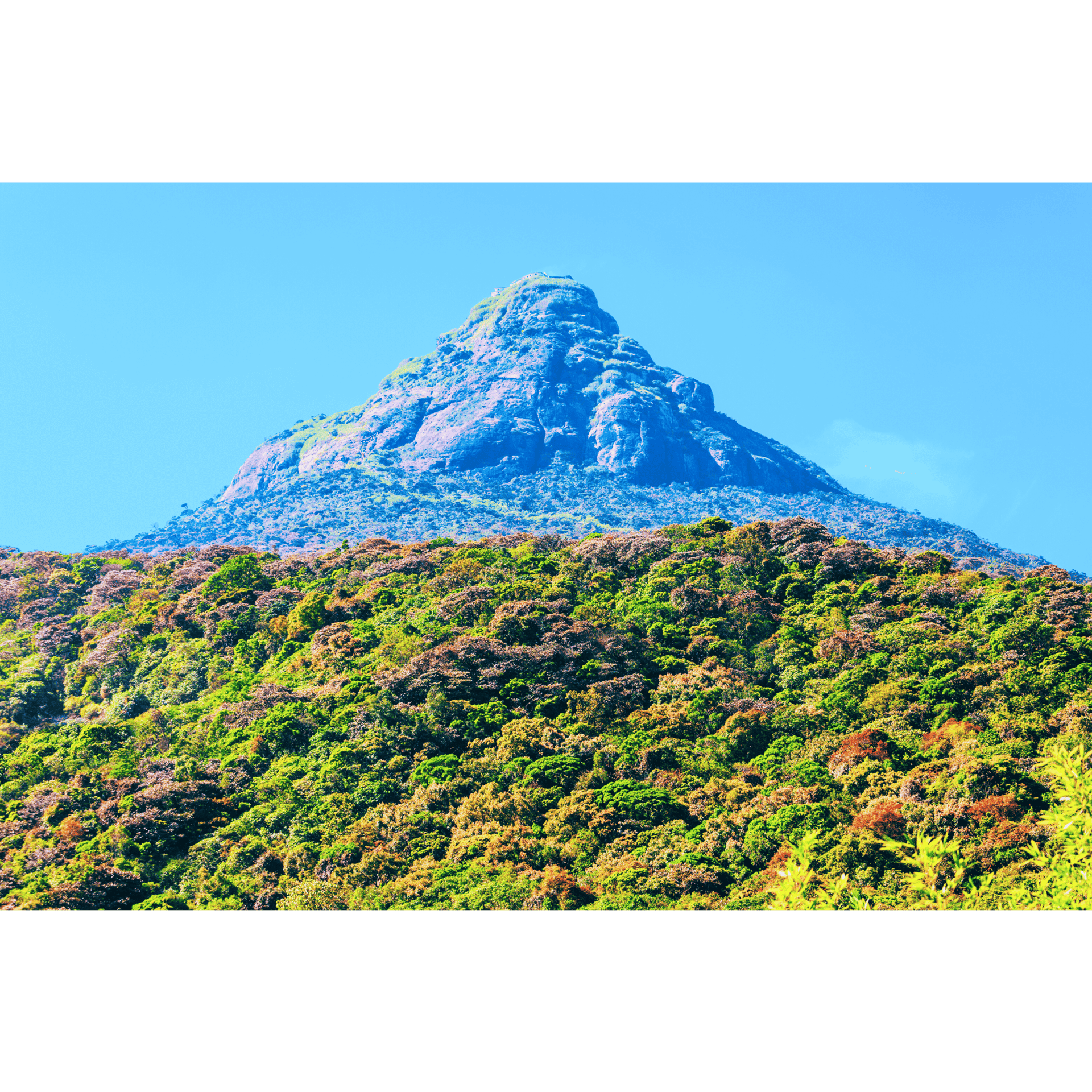
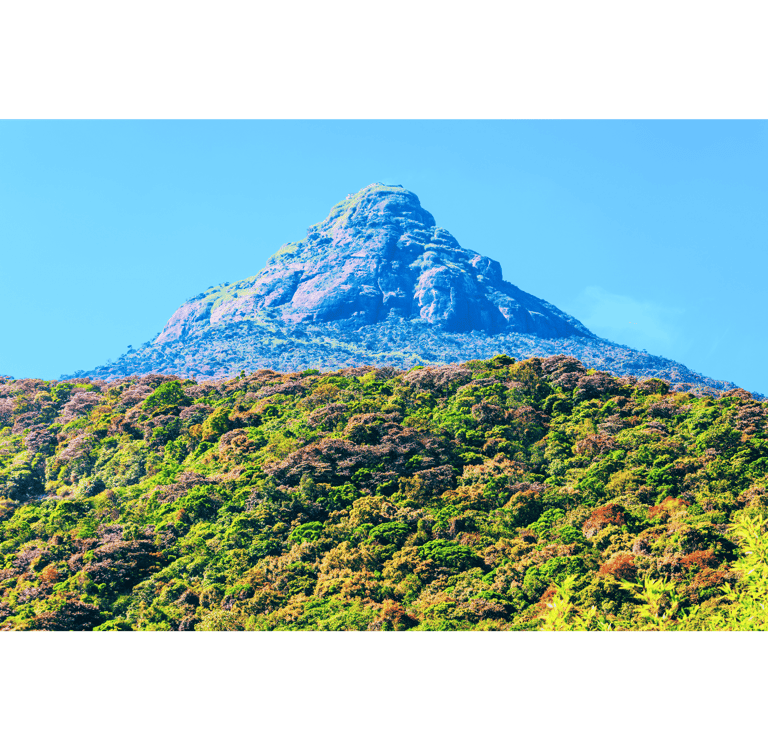
Adam's Peak, known as Sri Pada in Sinhala, stands as a striking natural wonder in Sri Lanka, rising to an elevation of 2,243 meters. This mountain is not only renowned for its breathtaking beauty but also for its significant spiritual importance to multiple religions. Geographically, it is located in the central highlands of the island, surrounded by lush forests and diverse wildlife, making it a key ecological zone as well.
Historically, Adam's Peak has been a revered site for centuries. The earliest records of pilgrimage to the summit can be traced back over a thousand years, making it an important destination for those seeking spiritual enlightenment. According to local legends, the footprint at the apex is believed to be that of Lord Buddha, which solidifies its status as a significant site for Buddhists. Conversely, Hindus regard the same footprint as that of Lord Shiva, further emphasizing the mountain’s religious diversity.
In addition to these beliefs, Adam's Peak holds importance for Christians, who consider it to be the place where Adam first set foot on earth after being cast from Paradise. Muslims also regard the site with reverence, associating it with the story of Adam and Eve. These various traditions highlight the mountain's role as a focal point for interfaith dialogue and pilgrimage, attracting thousands of visitors each year.
This confluence of religious beliefs transforms Adam's Peak into a unique pilgrimage experience, appealing to both devout worshippers and adventurous travelers. As pilgrims ascend its steep slopes, they not only seek spiritual fulfillment but also connect with the rich tapestry of history and nature that this sacred mountain embodies. The journey to the summit, often undertaken at night, culminates in witnessing a spectacular sunrise, symbolizing hope and renewal for countless devotees.
The Climb: A Pilgrim's Journey
Climbing Adam's Peak is an extraordinary pilgrimage that demands both physical endurance and spiritual dedication. This sacred mountain, revered by multiple religions, attracts myriad pilgrims eager to reach its summit. The journey to the top is not simply about the destination; it embodies a deep sense of purpose and reverence.
There are several routes that pilgrims can choose for their ascent, each offering unique experiences and levels of difficulty. The two most popular pathways are the Hatton route and the Dalhousie route. The Hatton route is often considered more challenging due to its steep inclines and rocky terrain, which can be arduous, especially during the night when many choose to start their climb to witness the mesmerizing sunrise. In contrast, the Dalhousie route is slightly gentler, making it a preferred option for those with limited climbing experience.
Essential preparations are crucial for a successful climb. Pilgrims should be physically fit and accustomed to walking, ideally practicing ahead of time. Proper footwear, such as sturdy hiking boots, is essential for navigating the rocky paths. Additionally, packing light yet adequate supplies, including drinking water, snacks, and a flashlight, will ensure comfort during the trek.
For beginners embarking on this pilgrimage, taking things slowly is key. It is advisable to start the climb early to avoid exhaustion and to enjoy the tranquil ambiance of the surroundings. Moreover, pilgrims should be attuned to the spiritual significance of their journey. Many find that the ascent itself is a form of meditation, allowing for reflection and a connection to the sacred nature of Adam's Peak. The climb represents a personal odyssey where each step brings you closer not only to the summit but also to a deeper understanding of oneself and one's beliefs.
The Summit Experience
The summit of Adam's Peak is a destination that offers an unparalleled experience, marked by breathtaking views and a serene atmosphere. As climbers reach the apex of this sacred mountain, they are often greeted by a panoramic vista that stretches across the horizon. The early morning light creates a stunning interplay of colors, transforming the sky into a canvas of oranges, pinks, and purples, culminating in a spectacular sunrise that is revered by many. This awe-inspiring moment not only signifies the end of a physical journey but also serves as a profound spiritual awakening for countless pilgrims and adventurers.
One of the unique features of Adam's Peak is the sacred footprint, known as the 'Sri Pada' in Sinhala, which is believed by many to be the footprint of the Buddha, while others interpret it as that of Lord Shiva or even Adam from the Biblical narrative. This remarkable feature adds a rich layer of spiritual significance to the climb, drawing devotees from various faiths. As climbers stand at the peak, they are often enveloped by a sense of unity and reverence, contemplating the blend of different cultural beliefs that converge on this mountain.
The sense of accomplishment one feels upon reaching the summit is profound and deeply personal. The arduous trek, often undertaken during the night, culminating in the dawn of a new day, symbolizes both a physical and spiritual journey. Many climbers report feeling an overwhelming sense of peace and tranquility as they stand at the top, basking in the serene atmosphere, which serves as a reminder of nature's splendor and the humility of the human experience. This emotional connection to the mountain often leaves a lasting impression, encouraging repeat visits by those who have climbed this revered peak and experienced its transformative power.
Cultural Significance and Festivals
Adam's Peak, known as Sri Pada, holds immense cultural significance in Sri Lanka, serving as a prominent pilgrimage destination for various religious communities, including Buddhists, Hindus, Christians, and Muslims. This mountain is revered for its distinctive footprint-shaped rock formation at the summit, which is believed to be that of the Buddha by Buddhists, while Hindus consider it to be the footprint of Lord Shiva. This diverse spiritual connection underscores the importance of the peak as a symbol of unity among different faiths, reflecting the rich tapestry of Sri Lankan culture.
The pilgrimage season typically begins in December and extends until May, attracting thousands of devotees who ascend the steep paths under the glow of the moonlight. This annual pilgrimage is not merely a physical journey but a deeply spiritual endeavor, marked by rituals and practices that enhance the connection between the pilgrims and the sacred site. Devotees often engage in offerings and prayers along the journey, which reflect their devotion and hopes. The act of climbing Adam's Peak is infused with a sense of communal spirit, as families and friends embark on this pilgrimage together, fostering bonds and collective memories.
Cultural festivals surrounding Adam's Peak further enrich the experience for pilgrims and visitors alike. These festivals often include traditional music, dance, and food offerings, showcasing the hospitality of the local community. Initiatives led by local people to maintain and promote the ascent to the mountain not only preserve its sacred status but also sustain the natural environment surrounding it. Environmental considerations have become increasingly vital, as the influx of tourists necessitates a balance between preserving the mountain’s beauty and supporting sustainable tourism practices. The integration of pilgrimage with respect for nature underscores the profound connection that exists between the community and the sacred landscape of Adam's Peak.
Explore
Discover Sri Lanka's beauty with our tours.
Connect
Support
hello@travelwithbuddy.com
(+94) 75 936 24 14
© Travel With Buddy 2025. All rights reserved.