
Exploring Sinharaja Forest: A UNESCO World Heritage Rainforest
12/18/20244 min read
Introduction to Sinharaja Forest
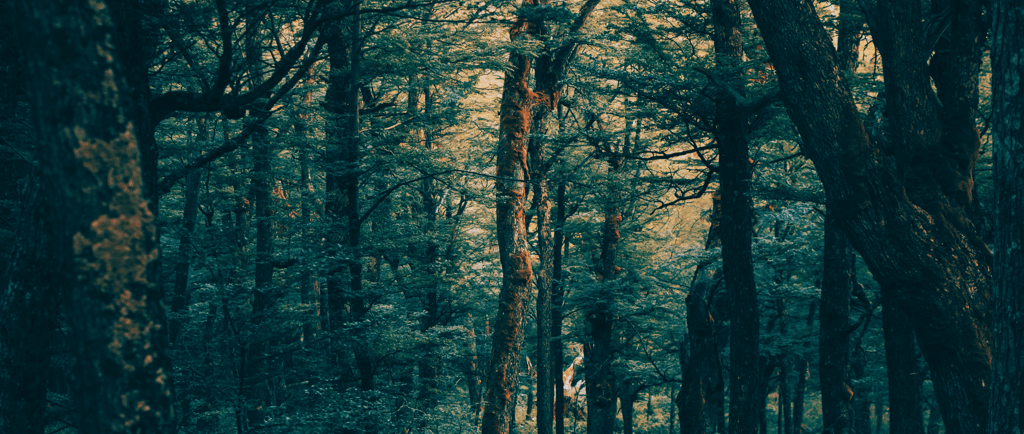
Sinharaja Forest, a UNESCO World Heritage site, is a remarkable expanse of rainforest located in the southwestern part of Sri Lanka. This pristine ecosystem spans approximately 11,000 hectares, characterized by its rich biodiversity and unique wildlife. Designated as a World Heritage site in 1988, Sinharaja is renowned for its exceptional flora and fauna, making it a critical area for conservation and ecological research.
One of the remarkable features of Sinharaja is its status as a biodiversity hotspot. The forest is home to an impressive array of endemic species, including numerous plants, mammals, birds, and insects that cannot be found elsewhere in the world. The unique geological and climatic conditions of the region have allowed these species to thrive, contributing to the forest's ecological significance. Sinharaja supports over 200 species of trees and an extensive range of animal life, including the elusive Sri Lankan leopard and a myriad of bird species, such as the Sri Lanka blue magpie.
Additionally, Sinharaja stands out from other rainforests globally due to its relatively intact ecosystem and the ongoing efforts to preserve it. The forest is largely untouched by human activities, which has allowed it to maintain its natural beauty and ecological balance. The integration of local communities in conservation practices has fostered a collaborative environment, where sustainable development and ecological preservation go hand in hand. These attributes, combined with its breathtaking landscapes and rich cultural heritage, make Sinharaja Forest not only a treasure for Sri Lanka but also a model for rainforest conservation worldwide.
Biodiversity and Endemism in Sinharaja
Sinharaja Forest, a UNESCO World Heritage Site, is renowned for its incredible biodiversity, featuring an array of flora and fauna that is critical to the ecological balance of the region. This rainforest is home to over 60% of Sri Lanka's endemic species, highlighting its importance as a hub for unique biological diversity. The dense canopy and diverse ecosystems present within Sinharaja create an ideal environment for myriad species, many of which cannot be found anywhere else on the planet.
Among the forest's rich biodiversity, one of its most notable aspects is the presence of more than 20 species of endemic birds, which include the Sri Lankan blue magpie and the orange-billed babbler. These species exemplify the evolutionary adaptations that have occurred in isolation. Birdwatchers from around the world visit Sinharaja in pursuit of these rare avian beauties, acknowledging the forest as a critical site for ornithological research and conservation efforts.
In addition to its avian inhabitants, Sinharaja is also home to a wide variety of unique plants such as the endemic tree species, Dipterocarpus zeylanicus, which plays a vital role in the habitat's structural complexity. The rainforest boasts numerous medicinal plants, some of which are utilized in traditional practices. Additionally, animal species such as the Purple-faced langur and the Sri Lankan elephant contribute to the forest's ecological balance, ensuring the survival of various plant species through natural seed dispersal.
The rich amalgamation of life forms within Sinharaja Forest underscores the interconnectedness of its ecosystems. By protecting this unique environment, we can ensure an enduring legacy for future generations, emphasizing the importance of biodiversity and endemism in sustaining both ecological health and regional heritage.
Eco-Tourism and Activities in Sinharaja
Sinharaja Forest, recognized as a UNESCO World Heritage Site, presents a unique opportunity for eco-tourism enthusiasts and nature lovers. The sprawling rainforest boasts diverse flora and fauna, making it an ideal location for guided nature walks, birdwatching tours, and photography excursions. These activities allow visitors to engage intimately with the forest's ecosystems while learning about its ecological significance.
Guided nature walks in Sinharaja are highly recommended for those wishing to immerse themselves in the lush greenery and rich biodiversity of the area. Knowledgeable guides lead groups through well-trodden paths, pointing out various plant species, endemic wildlife, and the unique geological features of the forest. Such expeditions not only enhance the visitors' experience but also educate them on the importance of preserving these natural habitats.
Birdwatching is another prominent activity, as Sinharaja is home to an impressive variety of avian species, including many that are endemic to Sri Lanka. Birdwatchers can observe the vibrant plumage and captivating calls of resident birds, contributing to the growing interest in ornithology within the region. The correct timing and location within the forest are crucial, and experienced guides play a vital role in ensuring that birdwatching tours are fruitful.
Photography excursions in Sinharaja offer a chance for enthusiasts to capture the forest’s breathtaking landscapes and elusive wildlife. Photographers can take advantage of the early morning and late afternoon light, which enhances the visual appeal of their shots. The serene atmosphere and stunning biodiversity provide excellent subjects for nature photography.
Importantly, sustainable tourism practices are essential in Sinharaja. Visitors must be mindful of their actions within the forest to minimize their impact on this fragile ecosystem. By following guidelines and respecting the natural surroundings, tourists can enjoy the beauty of Sinharaja while contributing to its preservation for future generations. In conclusion, Sinharaja Forest not only offers a plethora of eco-tourism activities but also serves as a reminder of the significance of responsible travel in preserving our natural world.
Conservation Efforts and Challenges
Sinharaja Forest, recognized as a UNESCO World Heritage site, is not only cherished for its remarkable biodiversity but also for the essential conservation efforts aimed at protecting its unique ecosystem. Various governmental and non-governmental organizations have taken significant initiatives to ensure the forest's sustainability. For instance, the Department of Forest Conservation in Sri Lanka has implemented strict regulations concerning logging and land use in and around Sinharaja, while NGOs focus on community-led conservation projects to foster public engagement.
Education and awareness campaigns led by these organizations serve to enlighten local communities about the importance of preserving the forest's ecological integrity. Such initiatives aim to cultivate a sense of stewardship among residents, encouraging them to participate in conservation activities, from reforestation to sustainable harvesting practices. In addition to these awareness efforts, financial incentives for eco-friendly practices are crucial in promoting conservation in the surrounding communities.
However, the challenges faced in conserving Sinharaja Forest remain daunting. Deforestation, driven primarily by illegal logging and agricultural expansion, poses a significant threat to this fragile ecosystem. Climate change exacerbates these issues, altering rainfall patterns and affecting the unique microhabitats within the forest. Additionally, human encroachment, whether through infrastructure development or urban expansion, further strains the already vulnerable environment.
Addressing these multifaceted challenges requires a collaborative approach that not only involves government and NGOs but also local communities actively participating in preservation efforts. Emphasizing the importance of continued conservation work is essential to protect Sinharaja Forest and maintain its biodiversity for future generations. The synergy between conservation efforts and community involvement is vital to ensuring the forest can endure the various pressures it faces, ultimately safeguarding this invaluable natural resource.
Explore
Discover Sri Lanka's beauty with our tours.
Connect
Support
hello@travelwithbuddy.com
(+94) 75 936 24 14
© Travel With Buddy 2025. All rights reserved.