
Exploring Jaffna: The Northern Cultural Capital of Sri Lanka
12/18/20244 min read
A Brief History of Jaffna
Jaffna, situated in the Northern Province of Sri Lanka, has a rich and complex history that dates back to ancient times. As one of the pivotal areas in Sri Lanka, it serves as a cradle of Tamil culture and heritage, significantly shaping the identity of its inhabitants. The roots of Jaffna can be traced to early Tamil civilizations, which established a thriving community known for its advanced agriculture, trade, and arts. These early settlers laid the foundation for what would become a vibrant cultural landscape.
Throughout the centuries, Jaffna has witnessed the influence of various cultural groups, further enriching its historical narrative. Notably, the reign of the Kingdom of Jaffna in the 13th century marked a significant chapter in its history, during which the local Tamil kings cultivated alliances with South Indian dynasties. This period saw the flourishing of literature, religion, and arts, culminating in the establishment of many temples and educational institutions that became centers of learning.
The arrival of colonial powers notably altered the dynamics of Jaffna. The Portuguese first ventured into the region in the 16th century, establishing their dominance and attempting to convert the local population to Christianity. Subsequently, the Dutch seized control in the 17th century, which led to further changes in trade practices and local governance. Eventually, the British took over Jaffna during the 19th century, introducing new administrative policies and infrastructure that significantly impacted the socio-economic landscape of the area. The legacy of these colonial encounters can still be felt today in the varied architectural styles and cultural practices found in Jaffna.
Thus, the history of Jaffna is a tapestry woven from the threads of ancient Tamil heritage, foreign influence, and resilience, continuing to impact its identity and cultural expression in contemporary times.
Cultural Riches of Jaffna
Jaffna, often regarded as the Northern Cultural Capital of Sri Lanka, is a vibrant hub of Tamil culture, showcasing a wealth of traditions and customs that have been preserved through generations. The significance of Tamil language and culture is evident in the everyday lives of the residents, who celebrate their heritage through a variety of festivals, art forms, and culinary practices. This region is renowned for its colorful festivals such as Thai Pongal and Nallur Festival, which not only engage local communities but also attract visitors eager to experience the rich cultural heritage.
The artistic expressions in Jaffna are diverse, including classical music, dance, and traditional drama. Among these, Bharatanatyam and traditional folk dances epitomize the cultural vibrancy of the region. Local artists often infuse their works with themes that reflect the day-to-day life and historical narratives unique to Jaffna, thus contributing to a living repository of Tamil artistic tradition. The influences of both ancient and modern techniques can often be seen in handcrafted items available in local markets, where artisans proudly display their skills that have been passed down through generations.
Culinary traditions in Jaffna further enhance its cultural richness, with unique dishes that reflect local ingredients and flavors. Signature meals such as Jaffna crab curry, dosai, and an array of seafood dishes serve as a testament to the area’s fishing heritage and agricultural practices. The local markets buzz with activity, offering spices, fresh vegetables, and herbal remedies, each adding to the sensory experience of this region. Key cultural sites, such as the Nallur Kandaswamy Kovil and local markets, are essential not just for their religious significance but also as centers of community life, illustrating the vibrant tapestry of Jaffna’s cultural heritage.
Must-Visit Attractions in Jaffna
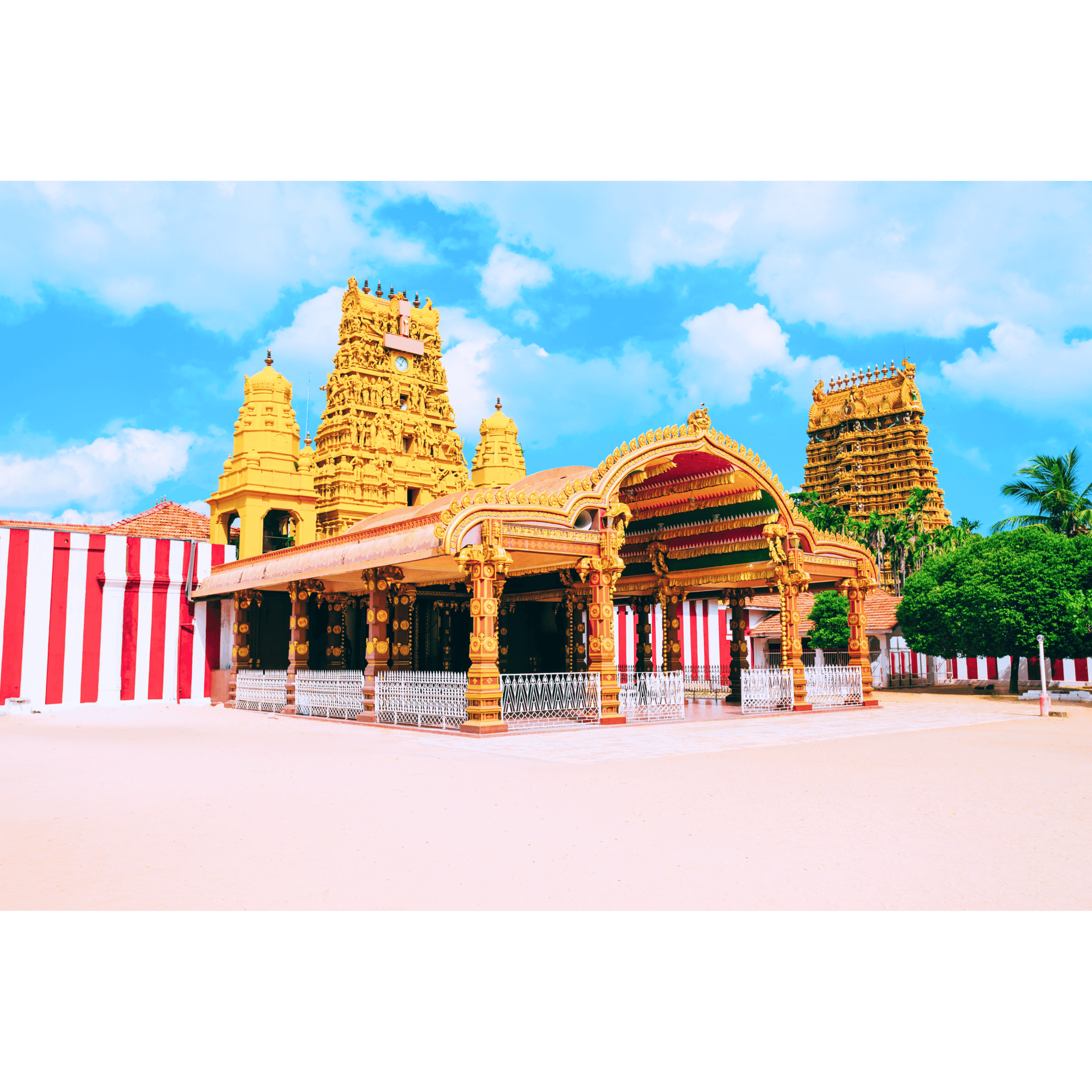
Jaffna, a vibrant city in northern Sri Lanka, is steeped in rich cultural heritage and history, offering numerous attractions that embody its unique character. Among these, the Nallur Kandaswamy Kovil stands out as a prime destination. This colorful Hindu temple, dedicated to Lord Murugan, showcases exquisite Dravidian architecture, with intricate carvings and vibrant sculptures. Its historical significance dates back to the 18th century when it was established, and it has since become a focal point for religious festivals, particularly the annual Nallur Festival, which draws devotees from all over the region.
Another significant landmark is the Jaffna Fort, built by the Portuguese in the 17th century and later expanded by the Dutch. This imposing structure offers a glimpse into the colonial history of the area. Visitors can explore the fort's walls and bastions, which provide panoramic views of Jaffna and its surrounding waters. Walking through the fort's remnants, one can appreciate the architectural grandeur that reflects the strategic importance of Jaffna in the past.
In addition to historical landmarks, Jaffna is also known for its stunning natural attractions. Casuarina Beach is a must-visit for those seeking relaxation by the sea. The beach is characterized by its pristine white sands and tranquil waters, making it an ideal spot for leisurely strolls and sunbathing. The surrounding casuarina trees provide shade and enhance the picturesque environment. For adventure seekers, the scenic lagoons in the region offer opportunities for birdwatching and exploring the diverse ecosystems that thrive around the wetlands.
These attractions highlight the blend of cultural richness and natural beauty that Jaffna has to offer, making it a compelling destination for visitors eager to explore Sri Lanka's northern cultural capital.
Experiencing Jaffna's Coastal Beauty
The coastal landscape of Jaffna, with its pristine beaches and serene waters, offers an unforgettable experience for visitors seeking both adventure and tranquility. One of the most popular destinations is Casuarina Beach, known for its soft golden sands and coconut tree-lined shores. This beach is an excellent spot for swimming and sunbathing, as well as a cherished place to enjoy tranquil sunsets. The warm waters, coupled with the gentle sea breeze, create an idyllic environment for relaxation.
Another gem along the coast is the idyllic Point Pedro, the northernmost tip of Sri Lanka. Here, visitors can revel in stunning views of the Indian Ocean while indulging in a variety of outdoor activities. The area's rocky shores provide excellent opportunities for snorkeling and diving, enabling visitors to explore the vibrant marine life beneath the surface. For those who prefer a more laid-back experience, fishing enthusiasts can also spend their time casting lines and savoring the local catch.
Beyond the beaches, the coastal region of Jaffna is steeped in cultural richness. The proximity to local eateries hawking authentic Jaffna cuisine allows visitors to enhance their coastal adventure with an immersive culinary experience. Local favorites, such as crab curry and seafood specialties, can be enjoyed at beachside restaurants, typically offering stunning sea views. Visitors looking for accommodations can find several guesthouses and hotels near the beaches that cater to various budgets, ensuring a comfortable stay while fully embracing the coastal charm of Jaffna.
In conclusion, Jaffna’s coastal beauty presents ample opportunities for leisure and adventure, where visitors can engage with both nature and culture. From vibrant beaches to delectable dining options, the region promises a multifaceted experience that leaves a lasting impression on all who visit.
Explore
Discover Sri Lanka's beauty with our tours.
Connect
Support
hello@travelwithbuddy.com
(+94) 75 936 24 14
© Travel With Buddy 2025. All rights reserved.