
Sigiriya: The Eighth Wonder of the Ancient World
12/18/20245 min read
The Historical Significance of Sigiriya
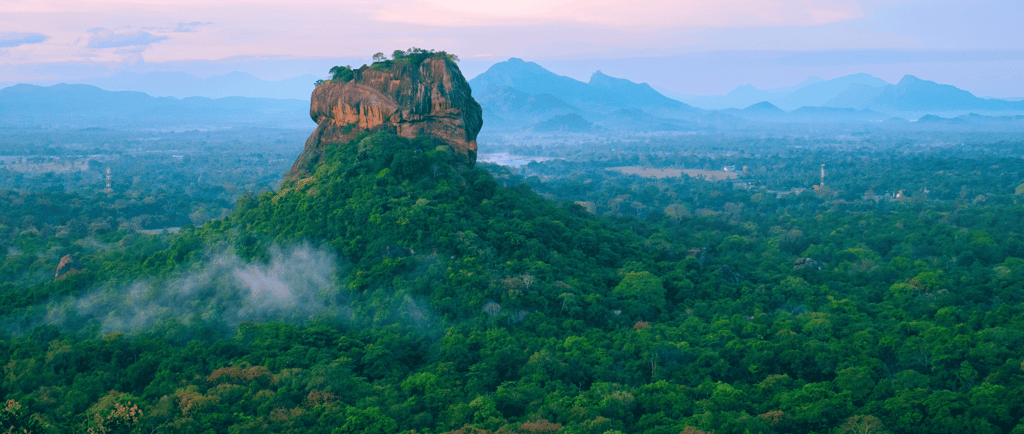
Sigiriya, often referred to as the Eighth Wonder of the Ancient World, holds immense historical significance as a remarkable testament to ancient Sri Lankan civilization. It was constructed in the 5th century AD under the reign of King Kashyapa, who transformed the massive rock formation into a royal palace. The decision to establish Sigiriya as a royal fortress was largely motivated by political turmoil, as Kashyapa sought to consolidate his power following the overthrow of his father, King Dhatusena. As a result, Sigiriya became not only a refuge but also a strategic military stronghold.
The architectural genius of Sigiriya is evidenced by its sophisticated planning and design. The site features an extensive complex of gardens, reservoirs, and structures that showcase the ingenuity of ancient engineers and architects. The famous frescoes and the mirror wall, which were meticulously crafted, further highlight the artistic achievements of the time. Sigiriya's layout, including its symmetrical gardens and water features, reflects advanced knowledge of hydraulics and landscape design, making it a symbol of the technological prowess evident in ancient Sri Lanka.
Furthermore, Sigiriya serves as a key historical marker within the broader context of world heritage. Its unique combination of natural beauty and human innovation captures the essence of a civilization that valued aesthetics as much as functionality. As an ancient royal capital, it provided insight into the socio-political dynamics of the era. The site’s ongoing preservation efforts have allowed historians and archaeologists to study its significance, thereby maintaining its status as an important monument in understanding the legacy of ancient cultures worldwide.
Architectural Marvel and Design
Sigiriya, often referred to as the Eighth Wonder of the Ancient World, is a remarkable example of ancient Sri Lankan architecture, reflecting an advanced understanding of engineering and design. Constructed in the 5th century AD by King Kasyapa, the rock fortress is renowned for its strategic use of natural terrain, harmoniously blending functionality with aesthetic appeal. The massive granite rock rises almost 200 meters above the surrounding plains, serving not only as a defensive stronghold but also as a royal residence and an impressive monument.
One of the most notable features of Sigiriya is the complex of water gardens that lies at the base of the fortress. These gardens illustrate sophisticated hydraulic engineering techniques that utilized natural water sources for irrigation and aesthetics, emphasizing the importance of water management in ancient Sri Lankan culture. The gardens are adorned with ponds, fountains, and terraced layouts, which reflect both beauty and practicality.
As visitors ascend the rock, they encounter the renowned frescoes that are painted on the western façade. Thought to depict celestial maidens, these vibrant artworks showcase an intricate understanding of color and composition, further enhancing the site's cultural significance. The preservation of these frescoes over centuries highlights the advanced artistic techniques employed by the creators in creating this breathtaking visual experience.
Additionally, the Mirror Wall is another fascinating element of Sigiriya, originally polished to a mirror-like finish, allowing for reflections of visitors and their surroundings. This wall also contains ancient graffiti, providing insights into the thoughts and experiences of those who visited the site throughout history.
In conclusion, Sigiriya stands as an extraordinary architectural marvel that exemplifies the ingenuity of ancient Sri Lankan civilization. Its innovative design and construction methods, including the water gardens, frescoes, and the Mirror Wall, contribute significantly to its status as a UNESCO World Heritage site, showcasing architecture that continues to captivate and inspire modern audiences.
Exploring the Frescoes and the Mirror Wall
At the majestic site of Sigiriya, visitors are greeted with the stunning frescoes of celestial maidens that adorn the walls of the ancient rock fortress. These exquisite artworks, thought to date back to the 5th century CE, reflect the artistic prowess of their creators and provide an intimate glimpse into the culture of ancient Sri Lanka. The frescoes are rendered in vibrant colors, utilizing natural materials that suggest a significant understanding of both art and environment. The lively depictions of beautiful women, often referred to as "Apsaras," showcase not only exceptional craftsmanship but also the aesthetic values and societal norms of that era.
Thematically, the frescoes convey concepts of beauty, grace, and divine femininity, emphasizing the cultural importance of these celestial figures in the Sinhalese tradition. The connection between the depicted maidens and nature is noteworthy, often symbolizing fertility and prosperity, which holds a significant place in the spiritual life of the ancient community. As one gazes upon these images, they are transported to a time when artistic expression was intricately linked to spiritual and social ideals.
Complementing the frescoes, the Mirror Wall stands as a testament to the historical significance of Sigiriya. Originally polished to such a high sheen that it could reflect the images of those who gazed upon it, this wall served multiple purposes, both functional and symbolic. Its surface is inscribed with ancient writings, including poems and commentaries that date back centuries. These inscriptions not only document the thoughts and emotions of past visitors but also offer insights into the evolving perception of Sigiriya over time. As scholars study these writings, the narratives captured illuminate the multifaceted relationship between the stones of the fortress and its admirers. Thus, the frescoes and the Mirror Wall together encapsulate the rich tapestry of artistry and history that defines Sigiriya as a truly remarkable site in the annals of ancient civilization.
Tourist Experience and Visiting Sigiriya Today
The journey to Sigiriya, often deemed the Eighth Wonder of the World, is an experience steeped in history and beauty. Located in the central province of Sri Lanka, the fortress is easily accessible from major cities like Colombo and Kandy. Visitors often opt for a scenic drive or a guided tour, both offering glimpses of the lush landscape that surrounds this iconic site. The entrance to the Sigiriya Rock Fortress provides a striking first impression, with remnants of ancient gardens and water features that hint at the grandeur of its past.
Once inside, tourists are greeted by an impressive series of frescoes and mirror walls that once dazzled the royal court. Climbing the nearly 1,200 steps to the summit can be challenging, yet many travelers find the effort rewarding. The panoramic views from the top capture the magnificent surrounding countryside and offer a perspective of the fortress's architectural genius. It is advisable to start the ascent early in the morning to avoid the heat of the day, ensuring a comfortable and enjoyable climb.
Efforts are actively being made to preserve Sigiriya as a significant cultural landmark. The site has benefitted from various restoration projects aimed at maintaining its structural integrity and enhancing visitor experience. This commitment to conservation allows tourists to appreciate not only the beauty of the site but also its historical significance. Personal anecdotes from visitors often highlight feelings of awe and respect while exploring the ancient ruins, with many describing the emotional impact of standing atop this remarkable fortress.
In conclusion, a visit to Sigiriya is not merely a sightseeing trip, but a journey through time that connects today's travelers with the rich history of Sri Lanka. Whether it is the climb, the ancient art, or the breathtaking views, it offers an unforgettable experience that resonates deeply with those who tread its paths.
Explore
Discover Sri Lanka's beauty with our tours.
Connect
Support
hello@travelwithbuddy.com
(+94) 75 936 24 14
© Travel With Buddy 2025. All rights reserved.