
Yala – A Safari Adventure in Sri Lanka's Wild Heart
12/18/20245 min read
Introduction to Yala National Park
Yala National Park is renowned as one of Sri Lanka’s most famous wildlife reserves, drawing attention from nature enthusiasts and tourists worldwide. Located in the southeastern region of the island, the park spans approximately 979 square kilometers, making it the second largest national park in Sri Lanka. Established as a protected area in the early 20th century, Yala holds significant ecological value, contributing to the conservation of diverse flora and fauna.
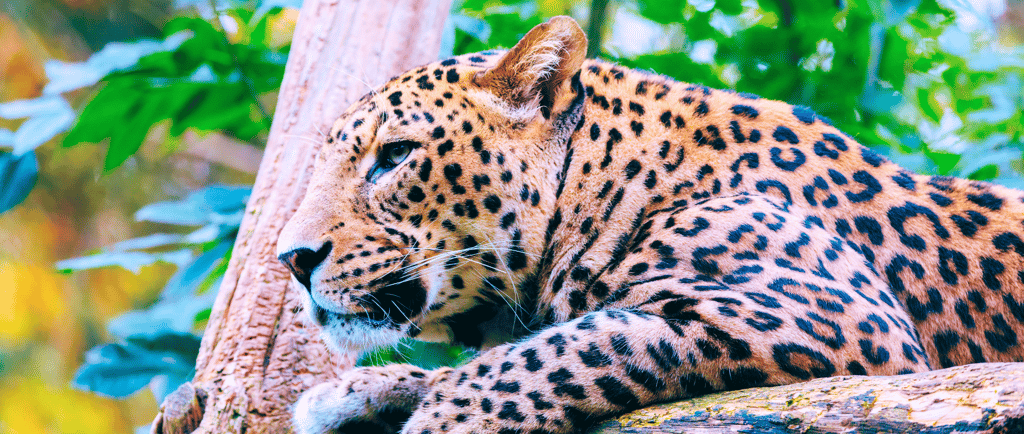
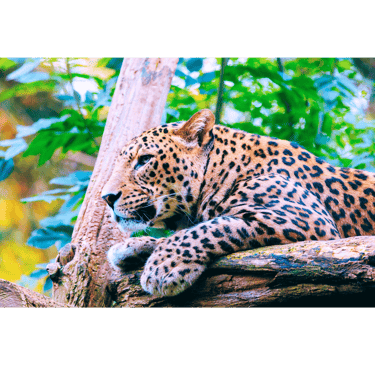
One of the park's most distinguishing features is its rich biodiversity, which includes a variety of habitats such as grasslands, scrub forests, and wetlands. These ecosystems provide refuge for numerous species, including the elusive Sri Lankan leopard, which has garnered a reputation as one of the park's main attractions. Yala is also home to a myriad of other wildlife, including elephants, sloth bears, and a wide range of bird species, making it a paradise for birdwatchers.
The importance of conservation efforts in Yala National Park cannot be overstated. Ongoing initiatives are crucial for preserving the delicate balance of its ecosystems, ensuring that future generations can enjoy the park's natural beauty. These endeavors also aim to mitigate human-wildlife conflicts and enhance the understanding of wildlife conservation among local communities. As a result, Yala National Park serves not only as a breathtaking safari destination but also as a living testament to the importance of preserving Sri Lanka’s natural heritage.
In summary, Yala National Park stands out as a vital and breathtaking wildlife reserve, cherished for its ecological significance. With its captivating landscapes and diverse wildlife, it is undoubtedly a must-visit location for anyone seeking an authentic safari adventure in Sri Lanka’s wild heart.
The Diverse Wildlife of Yala
Yala National Park, one of Sri Lanka's premier wildlife destinations, boasts a rich tapestry of biodiversity that enthralls visitors from around the world. The park is particularly famous for its high density of leopards, placing it among the few locations where these elusive big cats can be observed in their natural habitat. Leopards in Yala are renowned for their solitary behavior and exceptional hunting skills, typically hunting at dawn and dusk when their prey is most active. To increase the chances of spotting a leopard, it is advisable to embark on an early morning or late afternoon safari, as these are peak times for their movement.
In addition to leopards, Yala is home to a multitude of other wildlife species. Elephants roam freely across the park, often seen in herds, and they play a crucial ecological role in maintaining the landscape by dispersing seeds and creating trails that benefit other animals. Crocodiles, inhabiting the park's numerous water bodies, contribute to the ecological balance by controlling fish populations and providing food for various birds and mammals. The park also serves as a haven for an array of avian species, with over 200 bird species recorded. Notable species include the endemic Sri Lankan Junglefowl and the rare Black-necked Stork, which attract birdwatchers and photographers alike.
For wildlife photographers, Yala offers spectacular opportunities to capture stunning images of its diverse inhabitants. To maximize photographic success, it is advisable to use a telephoto lens to capture wildlife from a respectful distance without disturbing the animals. Ethical wildlife interaction is paramount; maintaining a safe distance and observing animals without feeding or disturbing their natural behavior ensures the integrity of the park's ecosystem and the well-being of its inhabitants. Visitors should respect the wildlife by following park regulations and guidelines, contributing to the ongoing conservation efforts necessary to preserve this unique and vibrant environment.
Safari Experiences: What to Expect
Yala National Park, renowned for its rich biodiversity, offers a plethora of safari experiences that cater to a variety of preferences and schedules. Guided jeep safaris are the most popular way to explore the park, providing visitors with an up-close and personal encounter with its diverse wildlife, including elephants, leopards, and an array of bird species. When selecting a tour operator, it is crucial to assess their reputation, experience in wildlife observation, and adherence to eco-friendly practices. Engaging a knowledgeable guide not only enhances the safari experience but also contributes to wildlife conservation efforts.
There are multiple safari options to choose from, such as early morning, afternoon, and full-day safaris. Early morning safaris are particularly recommended as they offer the best chance of spotting elusive wildlife when animals are most active. During the cooler hours, many species emerge from their resting places, making sightings more frequent. Afternoon safaris are ideal for those who prefer a relaxed itinerary, while full-day adventures allow for a deeper exploration of the park's varying landscapes and wildlife hotspots.
Optimal wildlife viewing is highly dependent on the time of year. The dry season, which typically spans from May to September, tends to be the best period to observe animals congregating around water sources. Visitors should also consider the park’s peak hours, as certain times of the day present the best opportunities for wildlife encounters. In preparation for a safari, it is advisable to pack essentials such as binoculars, a camera, suitable clothing for fluctuating temperatures, snacks, and plenty of water to stay hydrated throughout the adventure. Being well-prepared ensures an enjoyable and memorable experience in Yala's wild heart.
Planning Your Visit to Yala
When planning a visit to Yala National Park, it is essential to consider several factors to ensure a smooth and enjoyable experience. Located on the southeastern coast of Sri Lanka, Yala is easily accessible from major cities such as Colombo and Galle. The most popular way to reach the park is by road, with a three to four-hour drive from Colombo or a more convenient two-hour journey from Galle. Local taxis and hotel shuttles can facilitate transportation, but for a more adventurous experience, self-drive options are also available.
The entrance fees for Yala National Park vary based on nationality and the type of vehicle used. As of the latest update, Sri Lankan citizens pay a reduced fee, while foreign nationals incur a higher charge. It is advisable to check the official park website or contact local authorities for the most current pricing. Booking a guided safari tour is a popular alternative, often inclusive of entrance fees and providing an experienced guide who enhances the wildlife experience.
Accommodations surrounding Yala National Park range from luxurious lodges to budget-friendly guesthouses, catering to diverse preferences. Options such as eco-lodges, campsites, and hotels are available near the park entrance, granting easy access to the park's gates. It is recommended to book accommodations in advance, especially during peak tourist seasons from December to April when the weather is relatively dry and wildlife sightings are more frequent.
Visitors should also be aware of the weather conditions while planning their trip. The best time to visit Yala is typically during the dry season when the animals are more likely to gather around water sources. Rainfall can impact visibility and accessibility within the park, particularly from May to September. Lastly, adhering to park regulations is crucial; maintaining a safe distance from animals, restricting noise levels, and following the guidance of park authorities are necessary to ensure a safe and memorable adventure in Yala's rich natural environment.
Explore
Discover Sri Lanka's beauty with our tours.
Connect
Support
hello@travelwithbuddy.com
(+94) 75 936 24 14
© Travel With Buddy 2025. All rights reserved.