
Polonnaruwa – An Ancient City of Kings and Wonders
12/18/20244 min read
The Historical Significance of Polonnaruwa
Polonnaruwa stands as a testament to Sri Lanka's rich historical tapestry, serving as the second capital of the island during the 11th and 12th centuries. Established following the decline of Anuradhapura, Polonnaruwa quickly burgeoned into a political and cultural epicenter under the reign of notable kings, most prominently Parakramabahu I. His reign marked an era of prosperity, with numerous architectural marvels, irrigation systems, and religious edifices being constructed, reflecting the city’s significance in the broader context of Sri Lankan history.
The strategic location of Polonnaruwa contributed to its prominence as a hub of trade and governance. This ancient city not only hosted the royal court but also served as a vital center for Buddhist scholarship and cultural exchange, fostering a diverse community of artisans, scholars, and merchants. The construction of large reservoirs, such as the Parakrama Samudra, exemplified the advanced engineering skills of the era and facilitated agricultural abundance, thereby cementing Polonnaruwa’s role in sustaining the kingdom.
Throughout its history, Polonnaruwa witnessed several significant events that influenced its trajectory. The invasions from South India posed a constant threat, yet the resilience of its kings ensured the city thrived academically and economically. The kings’ patronage of Buddhism also resulted in the construction of notable landmarks, such as the Gal Vihara, a masterpiece of rock carving dedicated to the Buddha. The emphasis on artistic endeavors and religious devotion left a legacy that resonates in Sri Lankan culture to this day.
The decline of Polonnaruwa followed several centuries of prominent rule, as the kingdom faced challenges from neighboring powers and changing trade routes. Nevertheless, the remnants of this ancient city, with its intriguing history, underscore its significance within Sri Lanka’s historical narrative.
Architectural Marvels and Ruins
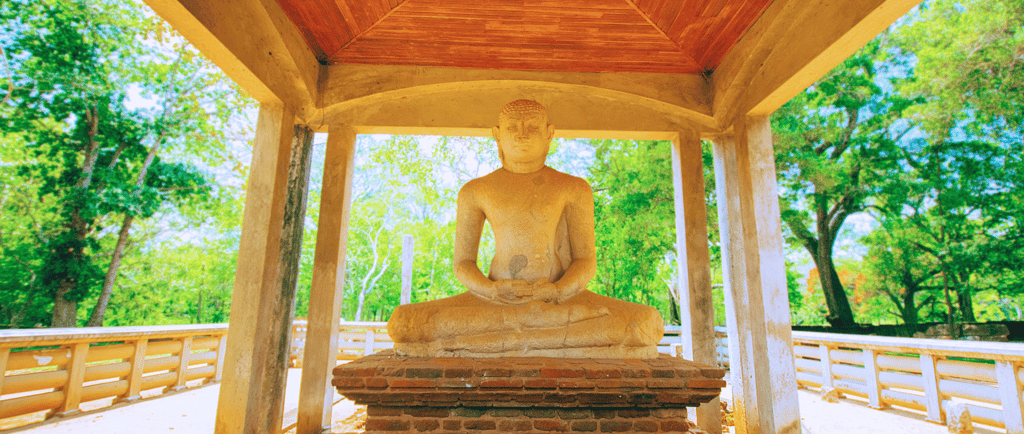
Polonnaruwa, a UNESCO World Heritage Site, is renowned for its exquisite architectural wonders and ruins that reflect the grandeur of ancient Sri Lankan civilization. Among the most significant sites within this historical city is the Gal Vihara, which boasts an extraordinary collection of rock-cut statues of Buddha. These impressive sculptures, carved directly into the granite, display remarkable artistry and intricate detailing, indicative of the high level of craftsmanship prevalent during the 12th century. The statues, in various postures, evoke a sense of serenity and exemplify the spiritual devotion of the era.
In addition to the Gal Vihara, the Royal Palace, once the residence of the kings, showcases innovative architectural designs that highlight the grandeur of the era. Remnants of the palace complex reveal features such as extensive halls, audience chambers, and intricate stonework that speak volumes about the social and political significance of this ancient city. The layout and size of the palace indicate a highly organized urban center, reflective of the sophisticated governance of its time.
The ancient quadrangle of Polonnaruwa serves as another focal point of architectural interest. This sacred space comprises several temples and shrines, including the Vatadage, which is notable for its circular stone structure and elaborately carved pillars. The meticulous craftsmanship visible in these ruins offers insights into the artistic traditions and religious practices that flourished during the Polonnaruwa period, illustrating the architectural achievements that define this ancient city.
Preservation efforts remain crucial as these historical structures face the challenges of weathering and human impact. Initiatives to restore and protect the ruins have been implemented, ensuring that future generations can appreciate and study the architectural marvels that tell the story of Polonnaruwa's rich heritage.
The Ingenious Water Management System
The ancient city of Polonnaruwa is renowned for its sophisticated water management system, which played a pivotal role in its agricultural prosperity and daily life. Central to this system is the Parakrama Samudra reservoir, constructed by King Parakramabahu I in the 12th century. This impressive water body, translating to "the Sea of Parakrama," covers an area of approximately 2,500 acres, making it one of the largest man-made reservoirs in Sri Lanka. The sheer scale of this reservoir highlights the advanced engineering capabilities and foresight of the ancient Sri Lankans in harnessing water resources.
The significance of the Parakrama Samudra extends beyond mere aesthetics; it served as a crucial resource for irrigation, providing life-sustaining water for agriculture in a region predominantly reliant on rice cultivation. The reservoir's design was both innovative and functional, featuring a series of canals and sluices that allowed for regulated water distribution across the fields. Such well-planned irrigation systems ensured a consistent water supply, allowing farmers to cultivate multiple crops annually, thereby contributing to the agricultural surplus that supported the thriving society of Polonnaruwa.
In addition to its agricultural functions, the water management system in Polonnaruwa facilitated daily life for its inhabitants. The availability of water contributed to the development of settlements and trade, enhancing the overall quality of life in the ancient kingdom. The engineering techniques employed in the construction of the canals, drainage systems, and spillways showcased the remarkable knowledge in hydraulics possessed by the people of this era. This focused understanding of water dynamics not only reflects their ingenuity but also underscores the interconnectedness between the civilization and its natural resources.
Exploring Polonnaruwa Today: Tourist Experience
Visiting Polonnaruwa today provides a unique opportunity to engage with a city that is steeped in history and recognized as a UNESCO World Heritage Site. The well-preserved ruins offer a glimpse into the grandeur of the past, with significant attractions such as the Royal Palace, Gal Vihara, and the Parakrama Samudra reservoir. Each of these sites showcases exceptional craftsmanship and architectural ingenuity, attracting countless tourists eager to explore the remnants of a once-thriving ancient kingdom.
Tourists are encouraged to begin their journey at the Archaeological Museum, which provides essential background information and artifacts related to Polonnaruwa's history. From there, the sites are conveniently located within walking or cycling distance, making it ideal to explore the area either by foot or by renting a bicycle, which is a favored mode of transport among visitors. This approach not only promotes a slower pace that allows for thorough appreciation of the surroundings, but also supports eco-friendly tourism.
To make the most of a visit, travelers are advised to plan a full day itinerary or even consider an overnight stay, which permits a deeper exploration of the city. A recommended itinerary might include visiting the impressive statue of the reclining Buddha at Gal Vihara, followed by a stroll around the ancient lakes and watching the vibrant bird life. A late afternoon visit to the Royal Palace, where remnants of its former glory still stand, offers splendid views as the sun sets on the ancient city.
While exploring Polonnaruwa, it is crucial to remember the significance of preserving this cultural heritage. Engaging with local guides can enhance the experience, providing insights that emphasize both the historical context and the ongoing efforts towards conservation. As visitors immerse themselves in Polonnaruwa’s grandeur, they simultaneously play a part in its continuing legacy, ensuring that future generations can also experience the wonders of this remarkable city.
Explore
Discover Sri Lanka's beauty with our tours.
Connect
Support
hello@travelwithbuddy.com
(+94) 75 936 24 14
© Travel With Buddy 2025. All rights reserved.