
Nuwara Eliya – The Cool and Picturesque “Little England”
12/18/20245 min read
A Historical Overview of Nuwara Eliya
Nuwara Eliya, often referred to as “Little England,” has a rich and storied history that traces back to the British colonial period in Sri Lanka. Established in the early 19th century, it was envisioned as a hill station, a retreat from the oppressive heat of the lowlands. The discovery of its cool climate and breathtaking landscapes led to its selection as a preferred location for British planters and administrators seeking respite during the warm months. The elevation of around 1,868 meters above sea level provided a much-needed escape, prompting the development of this beautiful town.
The British influence is palpable, with many structures in Nuwara Eliya showcasing Victorian and Tudor architectural styles, which were quite uncommon in other parts of Sri Lanka. The presence of these buildings, including the renowned Grand Hotel and the Victoria Park, reflects the ethos of the time, where the British sought to replicate the comforts of home in a foreign land. This architectural style, combined with the meticulously manicured gardens, created an environment reminiscent of rural England, contributing significantly to the town’s charm.
Key figures in Nuwara Eliya's history include Sir Edward Barnes, Governor of Ceylon, who played a pivotal role in its development. Under his administration, infrastructure improvements were made, which paved the way for the establishment of various plantations and the cultivation of high-quality tea—turning the area into one of the island's primary tea-producing regions. The agricultural advancements and the establishment of a vibrant expatriate community further shaped the town’s identity, making it a lasting symbol of colonial heritage. Nuwara Eliya continues to preserve its historical significance, attracting visitors drawn to its picturesque landscapes and enchanting colonial ambiance.
Natural Beauty: Exploring Nuwara Eliya's Landscapes
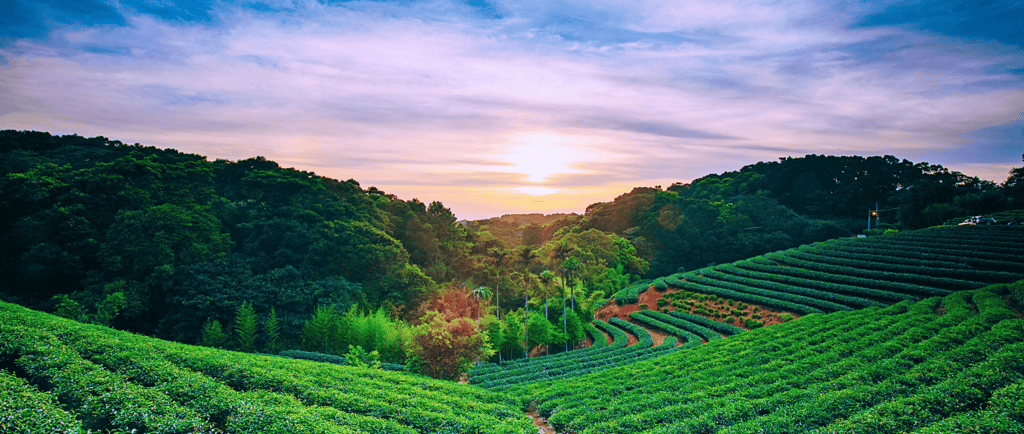
Nuwara Eliya, often referred to as “Little England,” is renowned for its breathtaking natural beauty characterized by a cool climate and picturesque landscapes. Nestled in the heart of Sri Lanka’s central highlands, this charming town offers a refreshing escape from the heat commonly found in other parts of the country. The region’s temperate weather creates a unique microclimate that supports lush greenery and thriving tea plantations, which have made Nuwara Eliya a vital hub for tea production.
One of the standout attractions in this serene locale is Gregory Lake, a serene body of water surrounded by rolling hills and vibrant gardens. Visitors to Gregory Lake can engage in a myriad of activities, such as boating, picnicking, and leisurely walks along its picturesque banks. The area is often frequented by families and couples seeking tranquility amidst nature's charm, making it a perfect spot to unwind and appreciate the stunning views.
Victoria Park, another highlight of Nuwara Eliya, is a well-maintained garden that showcases the region's rich biodiversity. Within its expansive grounds, visitors can find a variety of native and exotic plants, as well as numerous bird species that thrive in this serene environment. The park is an ideal location for a leisurely stroll or a peaceful afternoon amidst vibrant floral displays and the melodious sound of chirping birds, further enhancing the natural experience.
Nuwara Eliya's landscapes also serve as a habitat for unique flora and fauna, contributing to the region's ecological significance. The surrounding hills are adorned with a variety of plant species, including endemic orchids and other flowering plants, while the forests are home to diverse wildlife, such as monkeys, various bird species, and even occasional sightings of elusive leopards. This rich natural composition underscores why Nuwara Eliya is not only a getaway but also a testament to Sri Lanka's rich environmental heritage.
Cultural and Recreational Activities in Nuwara Eliya
Nuwara Eliya, often referred to as "Little England," boasts a rich tapestry of cultural and recreational activities that cater to a variety of interests. One of the foremost attractions is the Nuwara Eliya Golf Club, established in 1889, making it one of the oldest golf clubs in Asia. The club, enveloped in lush greenery and surrounded by breathtaking hills, offers a unique golfing experience in a picturesque setting. Golf enthusiasts can indulge in the sport while enjoying the cool climate and refreshing views that Nuwara Eliya is renowned for.
In addition to golfing, outdoor leisure activities abound in this charming town. Horse riding is a popular option among visitors, with scenic trails leading through verdant landscapes and tea plantations. Guided horseback tours allow participants to immerse themselves in the local wildlife and the serenity of the hills, providing both adventure and a connection to nature.
The hiking trails in the surrounding hills present further opportunities for recreation. Enthusiasts of various skill levels can explore routes that lead to stunning vistas, such as the famous Pedro Tea Estate and the challenging trek to the picturesque summit of Pidurutalagala, the highest peak in Sri Lanka. Hikers can revel in the diverse flora and fauna, while also experiencing the cooler temperatures characteristic of the region.
Culturally, Nuwara Eliya hosts several local festivals that reflect its unique heritage and blend of traditions. Events such as the Nuwara Eliya Season, celebrated in April, showcase local music, dance, and culinary delights. Visitors can observe the influence of British culture in its architecture and social events, which continue to shape the local identity. The harmonious mix of cultural attributes, combined with a wealth of recreational activities, makes Nuwara Eliya a vibrant destination for tourists seeking both adventure and cultural enrichment.
Travel Tips for Visiting Nuwara Eliya
Nuwara Eliya, known for its cool climate and stunning landscapes, offers a unique experience that requires careful planning for an enjoyable visit. The best time to visit this picturesque hill station is between March to May and August to September. During these months, the weather is pleasantly cool and ideal for outdoor activities, including hikes and tea plantation visits. However, being aware of the rainy season, which typically occurs from October to January, is crucial for visitors aiming to enjoy the area's natural beauty without disruptions.
When considering transportation, travelers have several options. Nuwara Eliya is accessible via public buses, private vehicles, or taxis from major cities such as Colombo and Kandy. For a more scenic experience, one may also opt for the train journey, which is often described as one of the most beautiful train rides in the world, passing through lush tea estates and breathtaking vistas. Once in Nuwara Eliya, local tuk-tuks provide a convenient method for getting around town.
For accommodation, a range of options is available, from luxury hotels to charming guesthouses. Some recommended places to stay include the acclaimed Earl's Regency and the quaint Grand Hotel, both offering a blend of comfort and historical significance. Moreover, indulging in local cuisines is a must; visitors should not miss trying traditional Sri Lankan rice and curry, as well as fresh tea produced in the region's tea estates.
As Nuwara Eliya is situated at a high altitude, it is advisable to dress in layers to accommodate fluctuations in temperature throughout the day. Additionally, understanding local customs, such as greeting locals politely and respecting cultural practices, can enhance the travel experience. Lastly, being mindful of one’s surroundings and adhering to safety precautions will ensure a memorable and delightful journey to this enchanting locale.
Explore
Discover Sri Lanka's beauty with our tours.
Connect
Support
hello@travelwithbuddy.com
(+94) 75 936 24 14
© Travel With Buddy 2025. All rights reserved.