
Exploring Dambulla: A Historic Rock Temple Complex in Sri Lanka
12/18/20245 min read
The Historical Significance of Dambulla
The Dambulla cave temple complex, located in the Central Province of Sri Lanka, holds immense historical importance, tracing its origins back to the 1st century BCE. It is widely believed that the caves were initially used as a refuge by ancient kings during times of conflict, particularly by King Valagamba, who sought shelter from invading forces. His choice to inhabit the caves not only reflects the strategic importance of the site but also highlights the socio-political climate of Sri Lanka during that period, marked by conflict and instability.
Establishing the cave complex as a place of worship allowed the local population to engage in devotional practices, carving the structures and paintings that adorn the cave walls today. These artistic endeavors showcase the skill and craftsmanship of the artisans who worked in this sacred space, contributing to the development of Buddhism in Sri Lanka. The Dambulla temple complex emerged as a beacon of faith and resilience, promoting Buddhism during a time when it was under threat.
Recognizing its cultural and historical value, UNESCO designated the Dambulla cave temple complex as a World Heritage Site in 1991. This recognition has played a crucial role in preservation efforts, enabling the implementation of measures to protect the intricate frescoes, sculptures, and the structural integrity of the caves. World Heritage designation brings heightened awareness, guiding both local and international stakeholders to ensure the maintenance and sustainability of the site. It serves as a reminder of the nation’s rich history and the importance of safeguarding such cultural treasures for future generations.
The Dambulla cave temple complex stands as a testament to the enduring spirituality of the Sri Lankan people, reflecting centuries of devotion and artistic expression that continue to captivate visitors from around the globe.
The Architectural Marvels of the Cave Temples
Nestled within the lush landscape of Sri Lanka, the Dambulla cave temple complex stands as a testament to the island's rich cultural heritage and artistic prowess. This historic site consists of five primary caves, each adorned with elaborate murals and intricate sculptures that reflect a convergence of artistic expression and religious devotion. Dating back to the first century BCE, the architectural design of these caves showcases the ingenuity of ancient architects who transformed natural rock formations into sacred spaces.
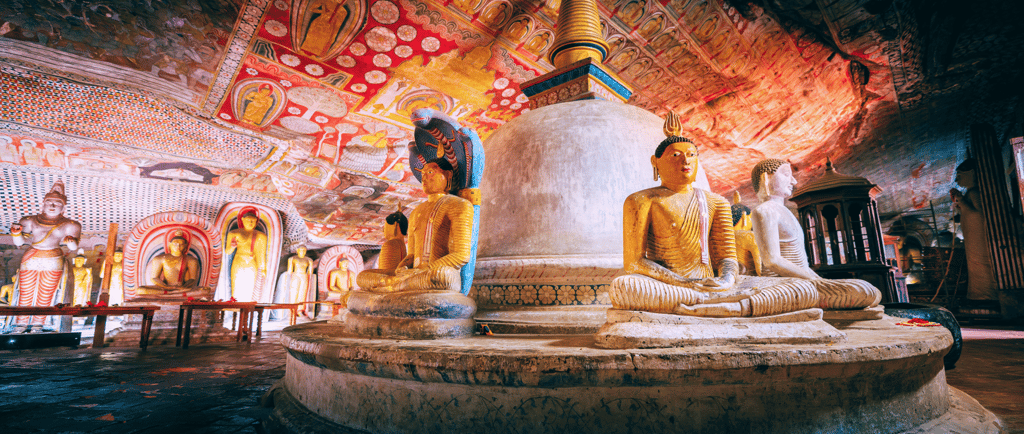
The first of these caves, the Cave of the Divine King, is particularly striking due to the numerous sculptures that depict a variety of deities, including the Buddha in several postures. This cave serves as one of the most significant representations of Sri Lankan artistry and features a wealth of frescoes that illustrate key events from the Buddha's life. The use of vibrant colors and intricate detailing in the murals not only adds to the aesthetic appeal but also enhances the spiritual ambiance of the space.
Another noteworthy cave is the Cave of the Great King, which is the largest of the complex and an artistic highlight. This expansive cave houses a magnificent reclining Buddha, measuring an impressive 14 meters in length. Surrounding the statue are beautifully painted murals that cover the entire ceiling, depicting celestial beings and various scenes from the Buddhist tradition. The meticulous attention to detail and the harmonious composition of these works exemplify the peak of Sri Lankan cave art. The sheer scale and craftsmanship of the Cave of the Great King reveal its significance not only as a religious sanctuary but also as a center for artistic excellence.
As visitors explore these extraordinary caves, they are struck by the blend of nature and architecture, the spiritual ambiance, and the timeless mastery of the artisans who dedicated their lives to beautifying these hallowed spaces. The Dambulla cave temple complex remains an unparalleled testament to the island's historical and cultural narrative.
The Statues and Murals: A Glimpse into Buddhist Art
The Dambulla Rock Temple complex is renowned for its extraordinary collection of over 150 Buddha statues, each showcasing a unique representation of Buddhist art. These statues vary significantly in size, with some towering impressively at more than 14 meters. The varying poses and artistic styles of these statues not only reflect the evolution of Buddhist iconography but also highlight the artistic prowess of the craftsmen from different eras. The seated, standing, and reclining forms of the Buddha convey various aspects of Buddhist teaching and philosophy, inviting visitors to delve deeper into the spiritual narratives that underpin these works.
The intricate murals that adorn the walls of Dambulla further enhance the spiritual and cultural experience of this historic site. These murals extend over an area of approximately 2,100 square meters and represent some of the most significant examples of ancient Sri Lankan art. The murals illustrate key events from the life of the Buddha, as well as depictions of bodhisattvas and various Jataka tales, which narrate the previous lives of the Buddha. The vivid colors and detailed brushwork of these paintings contribute to an understanding of the beliefs and practices of Buddhism during the time of their creation, providing valuable insight into the historical context of the region.
Moreover, these artistic expressions signify the blend of spiritual devotion and cultural identity, showcasing how Buddhism has shaped Sri Lankan heritage over the centuries. The preservation of these statues and murals plays a crucial role in maintaining the collective memory of Sri Lanka's religious heritage. As visitors admire the beauty and intricacy of the artworks, they are invited to reflect on the deeper spiritual significance that these treasures hold, ensuring that the rich legacy of Buddhist art continues to inspire future generations.
Visiting Dambulla: Travel Tips and Nearby Attractions
When planning a visit to Dambulla, it is important to consider the best times to experience this remarkable UNESCO World Heritage site. The optimal months are from December to March, when the weather is cooler and less humid, making your exploration of the rock temple complex much more enjoyable. Early morning or late afternoon visits are recommended to avoid the mid-day heat, ensuring a comfortable tour of the caves and their captivating Buddha statues and ancient murals.
Entry fees for the Dambulla Cave Temple vary depending on nationality, with prices around 1500 LKR for foreign visitors and lower fees for Sri Lankan citizens. The ticket also grants access to the nearby museum, which provides further insights into the rich history and cultural significance of the site. It is advisable to wear comfortable clothing and sturdy shoes as the visit involves climbing steep steps to reach the various caves.
While in the Dambulla area, consider extending your journey to nearby historical attractions. Sigiriya, the famed Lion Rock, is a must-see, featuring a striking fortress and remarkable frescoes dating back to the 5th century. This ancient citadel provides breathtaking views and a blend of history intertwined with nature. Another significant site is Polonnaruwa, a former medieval capital renowned for its well-preserved ruins, including temples, palaces, and intricate sculptures that narrate the region's storied past.
In conclusion, a visit to Dambulla not only immerses travelers in spiritual and cultural experiences but also opens avenues to explore nearby historical treasures. With careful planning regarding timing and preparation, visitors can gain a deeper appreciation for the rich heritage and stunning landscapes that Sri Lanka offers.
Explore
Discover Sri Lanka's beauty with our tours.
Connect
Support
hello@travelwithbuddy.com
(+94) 75 936 24 14
© Travel With Buddy 2025. All rights reserved.