
Kandy – The Cultural Heart of Sri Lanka
12/18/20245 min read
Historical Significance of Kandy
Kandy, often recognized as the cultural heart of Sri Lanka, boasts a rich historical significance that dates back over several centuries. As the last royal capital of the Kandyan Kingdom, it played a pivotal role in the island's history. The city became the center of Sri Lankan resistance against foreign invaders, particularly during the colonial era when European powers sought to exert control over the island. Kandy's geographic advantage, nestled in a valley surrounded by mountains, provided a natural defense, aiding its residents in maintaining sovereignty during tumultuous times.
The importance of Kandy extends beyond its strategic location; the city embodies the legacy of the Kandyan Kingdom, whose influence is palpable in many aspects of contemporary Sri Lankan culture. The architecture, traditional dances, and ritual practices in Kandy are vibrant remnants of this esteemed kingdom. Notably, the Temple of the Tooth, a UNESCO World Heritage Site, houses the sacred relic of the tooth of the Buddha, affirming Kandy's status as a spiritual and cultural bastion. This temple not only serves as a place of worship but also symbolizes the unity and identity of the Sinhalese population.
During the colonial period, Kandy witnessed significant historical events such as the signing of the Kandyan Convention in 1815, which eventually led to the British control of the entire island. Despite the challenges, the city managed to preserve many of its traditions and heritage sites. Today, Kandy stands as a testament to the resilience of its people. Historic monuments like the Royal Palace, and the picturesque Kandy Lake offer insights into the city's past, making it an essential destination for anyone wishing to understand the historical journey of Sri Lanka and its cultural evolution.
The Temple of the Tooth Relic
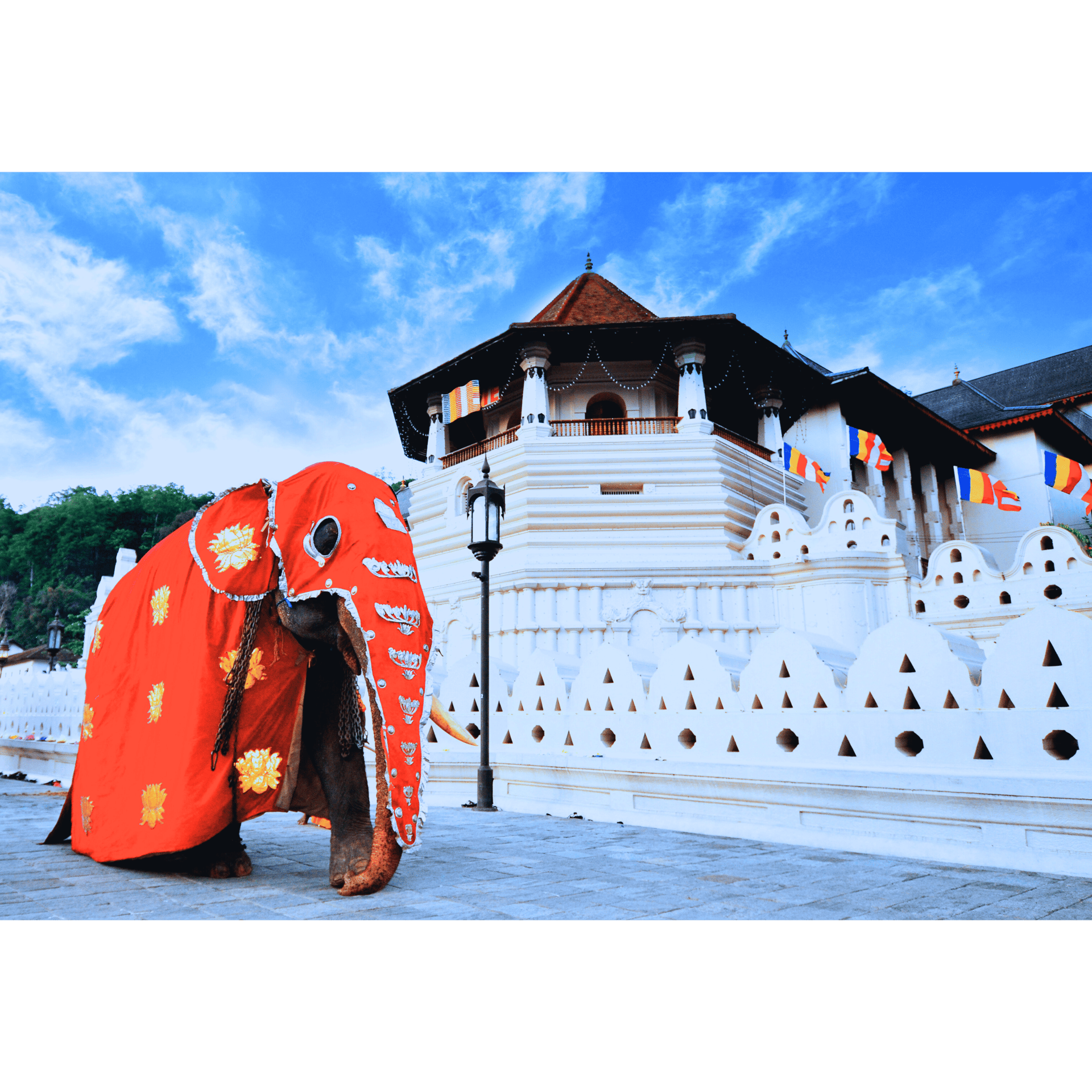
The Temple of the Tooth Relic, known as Dalada Maligawa, is one of the most venerated religious sites in Sri Lanka, located in the heart of Kandy. This temple houses a relic believed to be the actual tooth of Lord Buddha, making it a focal point for Buddhist worship and pilgrimage. The architectural grandeur of the temple is remarkable, showcasing exquisite Kandyan-style art and design. The ornate woodwork, intricate frescoes, and shining gold roofs create a visual spectacle that draws not only devotees but also tourists from around the globe.
The religious significance of the Tooth Relic extends far beyond its physical presence. It symbolizes the authority and legitimacy of the ruling monarchy in Sri Lanka, as possessing the relic was historically believed to confer power to the rulers. Consequently, various ceremonies and rituals are conducted to honor the relic, fostering a deep sense of reverence among the local Buddhist population. Pilgrims often visit the temple to engage in spiritual practices, such as meditation, offerings, and listening to teachings, thus reinforcing their connection to Buddhist traditions.
Among the notable events held at the Temple of the Tooth is the Esala Perahera, a grand procession celebrated annually. This vibrant festival features traditional dancers, drummers, and a magnificent elephant, all parading through the streets of Kandy. The culmination of the festival occurs when the sacred tooth relic is paraded before thousands of devotees, creating a mesmerizing atmosphere of devotion and cultural continuity. The influx of pilgrims and tourists during this period significantly contributes to the region's economy while promoting awareness of Sri Lanka's rich cultural heritage. The Temple of the Tooth Relic, as a center of spirituality and community, continues to play an essential role in preserving the traditions of Buddhism in Sri Lanka.
Natural Beauty and Attractions of Kandy
Kandy, often referred to as the cultural heart of Sri Lanka, is renowned not only for its rich heritage but also for its stunning natural beauty. Surrounded by lush, verdant hills, the city offers a picturesque landscape that enchants both residents and tourists alike. The primarily tropical climate contributes to the vibrant greenery that blankets the region, making Kandy a perfect destination for those seeking solace in nature.
A prominent feature of the city is the serene Kandy Lake, which lies at the center of the urban landscape. The lake provides a tranquil setting for leisurely strolls and boat rides, allowing visitors to take in the breathtaking views of the surrounding hills and the historic buildings that line its shores. Along the pathway, one can witness the interaction of diverse wildlife, including various bird species that call this area home, thus enhancing the overall natural experience.
For those with a penchant for adventure, the nearby hills offer a range of hiking trails that cater to different skill levels. These trails wind through dense forests and provide an opportunity to explore the region's biodiversity, with glimpses of exotic flora and fauna. As one ascends, the panoramic views of Kandy and its surrounds become increasingly spectacular, creating a rewarding experience for active explorers.
Another highlight of Kandy's natural attractions is the Royal Botanical Gardens in Peradeniya, which is a mere short drive from the city center. The gardens are home to a vast collection of plant species, including exotic orchids and a variety of medicinal herbs. Visitors can partake in guided tours that share the historical significance and ecological importance of these plants. Furthermore, the gardens offer serene picnic spots, making it an ideal place for families and nature enthusiasts to gather and appreciate Kandy's natural wonders.
Cultural Events and Culinary Delights
Kandy, renowned as the cultural heart of Sri Lanka, is a vibrant tapestry of traditional arts, dance, and music that captivates both locals and visitors alike. The city is particularly famous for its annual Kandy Esala Perahera, a grand festival held in July or August. This event, which honors the Sacred Tooth Relic of Buddha, features a magnificent procession that includes elegantly adorned elephants, traditional dancers, and drummers, showcasing the rich cultural heritage of the Kandyan people. The significance of the Kandy Esala Perahera lies not only in its religious importance but also in its role as a unifying event that brings the community together, promoting a sense of identity and pride among the inhabitants of Kandy.
Throughout the year, Kandy hosts various cultural events that exhibit its artistic prowess, including traditional dance performances like the Kandyan dance, characterized by intricate footwork and expressive movements. Additionally, visitors can enjoy performances of Sri Lankan drumming, which plays an essential role in the region's cultural fabric. These events not only provide entertainment but also serve as educational opportunities about the customs and rituals of Sri Lankan culture.
Complementing the rich cultural scene is Kandyan cuisine, which offers a delightful array of flavors and dishes that reflect the region’s agricultural bounty. Traditional meals often showcase rice as a staple, accompanied by an assortment of curries made from fresh vegetables and local herbs. Popular dishes include "Kottu Roti," a stir-fried delicacy with chopped roti, vegetables, and spices, and "Hoppers," a unique rice flour pancake that can be enjoyed with sweet or savory fillings. Local markets in Kandy provide an ideal setting to explore these culinary delights, where visitors can interact with local vendors and taste a variety of authentic Kandyan dishes.
Explore
Discover Sri Lanka's beauty with our tours.
Connect
Support
hello@travelwithbuddy.com
(+94) 75 936 24 14
© Travel With Buddy 2025. All rights reserved.