
Colombo – The Vibrant Capital City of Sri Lanka
12/18/20245 min read
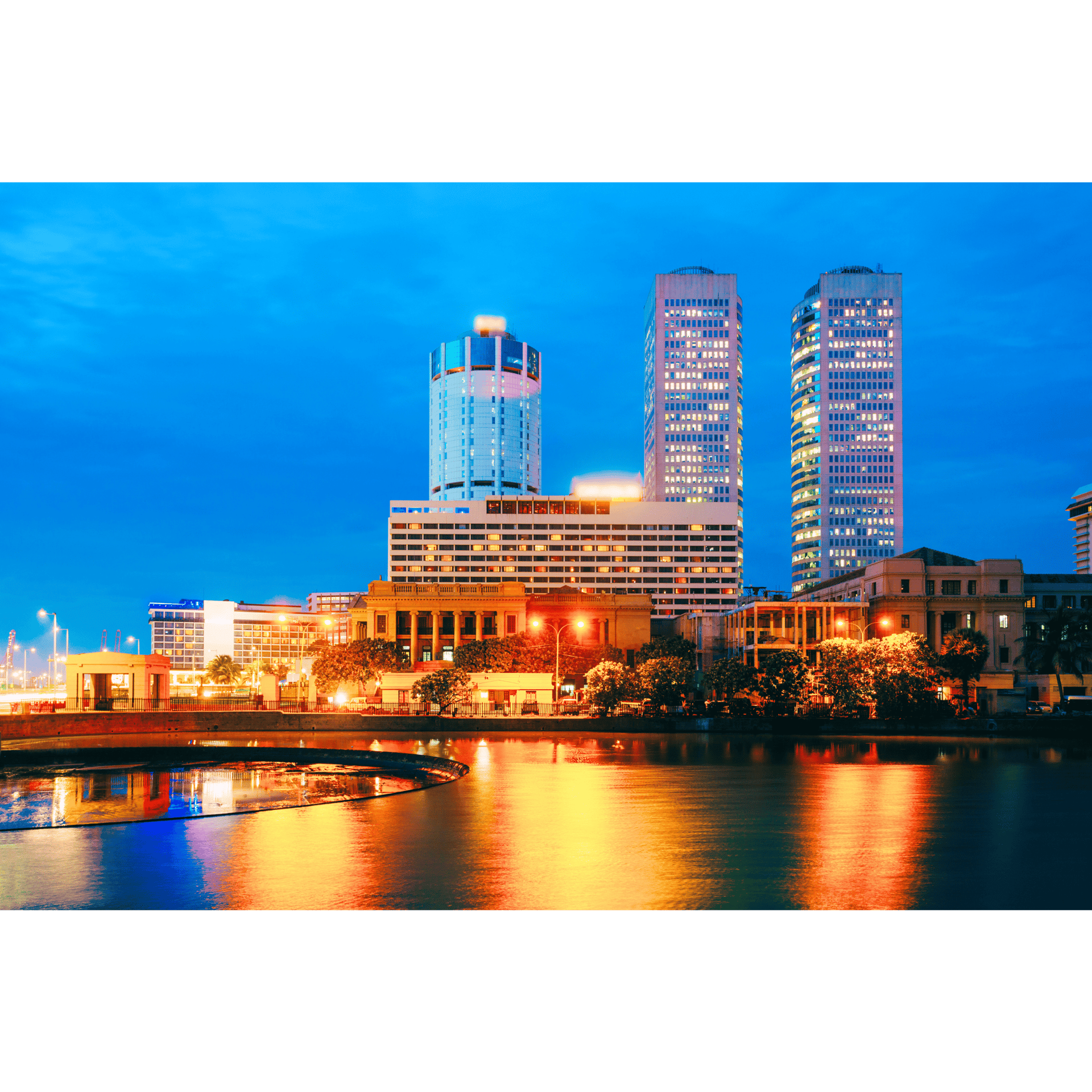
A Historical Overview of Colombo
Colombo, the capital city of Sri Lanka, has a rich and diverse history that reflects its evolution from a modest seaport to a bustling metropolis. The city’s roots can be traced back to the 5th century, when it was known primarily as a trading hub due to its strategic location along the maritime Silk Route. Merchants from various cultures, including Arabs, Indians, and later Europeans, frequented the port, enriching the city with diverse influences and trade practices.
During the Portuguese colonization in the 16th century, Colombo began to transform significantly. The Portuguese sought to control the lucrative spice trade, leading to the construction of forts and churches which stand as symbols of this colonial era. The most significant change occurred in 1656 when the Dutch seized control of Colombo from the Portuguese, further influencing its architecture and culture. The Dutch constructed several canals and defenses, as well as the iconic Wolvendaal Church, which remains an important historical site today.
The British colonized Colombo in the early 19th century, marking yet another substantial shift in the city’s landscape. The British established Colombo as the administrative capital and implemented numerous infrastructural developments, including railways and roads, that facilitated trade and connectivity. The colonial period left a lasting imprint on the streetscapes of Colombo, with buildings such as the Old City Hall and the Grand Oriental Hotel showcasing that rich architectural heritage.
Through these transformative periods, Colombo has forged a unique identity, blending various cultural influences. The remnants of its colonial past are evident in its monuments and architecture, which continue to attract tourists and historians alike. This vibrant history not only shapes the culture of modern Colombo but also illustrates the resilience and adaptability of its residents in a constantly evolving landscape.
Cultural Attractions and Landmarks
Colombo, the thriving capital of Sri Lanka, serves as a breathtaking display of cultural attractions and historical landmarks that encapsulate the nation's rich heritage. Among its most revered sites is the Gangaramaya Temple, an esteemed Buddhist temple that combines a diverse architectural style reflecting Sinhalese, Thai, and Indian influences. Visitors are drawn not only to its impressive collection of artifacts but also to its tranquil ambiance, which offers a serene escape from the city's bustle. The temple is not only a place of worship but also a center for education and cultural preservation, making it a must-visit on any itinerary.
Another pivotal landmark is the National Museum of Colombo, the largest museum in Sri Lanka. This institution is home to an extensive collection of artifacts that represent the country’s history and cultural evolution. Exhibits include ancient art, royal regalia, and archaeological discoveries that illuminate the island's past. The museum's architectural grandeur is also noteworthy, as it is housed in a colonial-era building which itself tells a story of the country’s colonial history. Its galleries provide visitors an opportunity to appreciate the cultural tapestry of Sri Lanka, making it an essential stop for those wishing to understand the nation’s cultural context.
Lastly, Galle Face Green stands as a bustling urban park that boasts both historical significance and recreational value. This long stretch of grass along the coast is a gathering place for locals and tourists alike, where one can engage in various activities from kite flying to enjoying street food sunsets. The area is particularly enchanting during the evening, as families and friends gather to unwind, while the sound of crashing waves creates a picturesque backdrop. Collectively, these sites encapsulate the diverse cultural narrative of Colombo, showcasing not only the city’s architectural beauty but also its vibrant community spirit.
Shopping and Local Markets in Colombo
Colombo, the vibrant capital city of Sri Lanka, offers a diverse shopping experience that attracts both locals and tourists alike. One of the most iconic places to shop is the Pettah Market, a bustling bazaar that epitomizes the lively spirit of Colombo. Here, visitors can find an array of products ranging from spices, textiles, and clothing to electronics and handmade crafts. The market is known for its vibrant colors, sounds, and smells, providing an immersive shopping experience that truly represents the local culture.
Navigating Pettah Market can initially seem overwhelming due to its labyrinthine layout and throngs of people, but the experience is rewarding for those willing to explore. A useful tip is to visit during the early hours when the market is less crowded, allowing for easier movement and the chance to engage with vendors. Haggling is commonplace in these local markets, so visitors should come prepared to negotiate prices—this not only helps in securing a better deal but also enhances the interactive experience.
As you wander through the market, be sure to seek out authentic local products. Vendors often sell unique souvenirs that reflect Sri Lankan heritage, such as intricately designed batik fabrics and traditional handicrafts. It's advisable to look for products that are made locally to support artisans and artisanship. Moreover, sampling street food from various stalls adds another layer to the shopping experience, allowing visitors to savor Sri Lankan cuisine firsthand.
In addition to Pettah Market, Colombo features numerous shopping malls and boutiques that cater to diverse tastes, ranging from high-end brands to local designers. Whether seeking vibrant fabrics, handcrafted jewelry, or unique home décor, the city's shopping scene is an essential part of experiencing Colombo’s rich culture and vibrant lifestyle.
Natural Attractions and Scenic Views
Colombo, as the vibrant capital city of Sri Lanka, is not only known for its bustling streets but also for its impressive natural attractions that offer visitors breathtaking views of the Indian Ocean. One of the prominent scenic spots is the Colombo Harbour, which serves as a vital hub for maritime activities. The harbour's sweeping vistas showcase an array of fishing boats, merchant vessels, and luxury yachts, allowing visitors to witness the vital role that this natural landmark plays in the city's economy. The proximity to the ocean creates an inviting atmosphere for leisurely strolls, where one can take in the fresh sea breeze and marvel at the horizon where the sky meets the ocean.
An equally enchanting location is Mount Lavinia Beach, located just a short drive from the city center. This picturesque beach is famed for its golden sands and vibrant waves, making it a popular destination for both locals and tourists. Visitors can engage in various activities such as swimming, sunbathing, or indulging in water sports like jet skiing and surfing. The beach's charm is enhanced by the stunning sunsets that paint the sky in hues of orange and pink, providing ample opportunities for photography. Additionally, many beachside cafes and restaurants allow visitors to savor local delicacies while enjoying the magnificent views.
The natural attractions surrounding Colombo play a crucial role in enhancing the city's appeal. They create a harmonious balance between urban life and serene environments, allowing residents and tourists alike to experience the beauty of nature intertwined with the hustle of city life. Engaging with these natural sites not only promotes relaxation and leisure but also offers vital insights into the ecological significance of the region, thus enriching the overall experience of those who visit Colombo.
Explore
Discover Sri Lanka's beauty with our tours.
Connect
Support
hello@travelwithbuddy.com
(+94) 75 936 24 14
© Travel With Buddy 2025. All rights reserved.