
Udawalawe – A Wildlife Haven
12/18/20244 min read
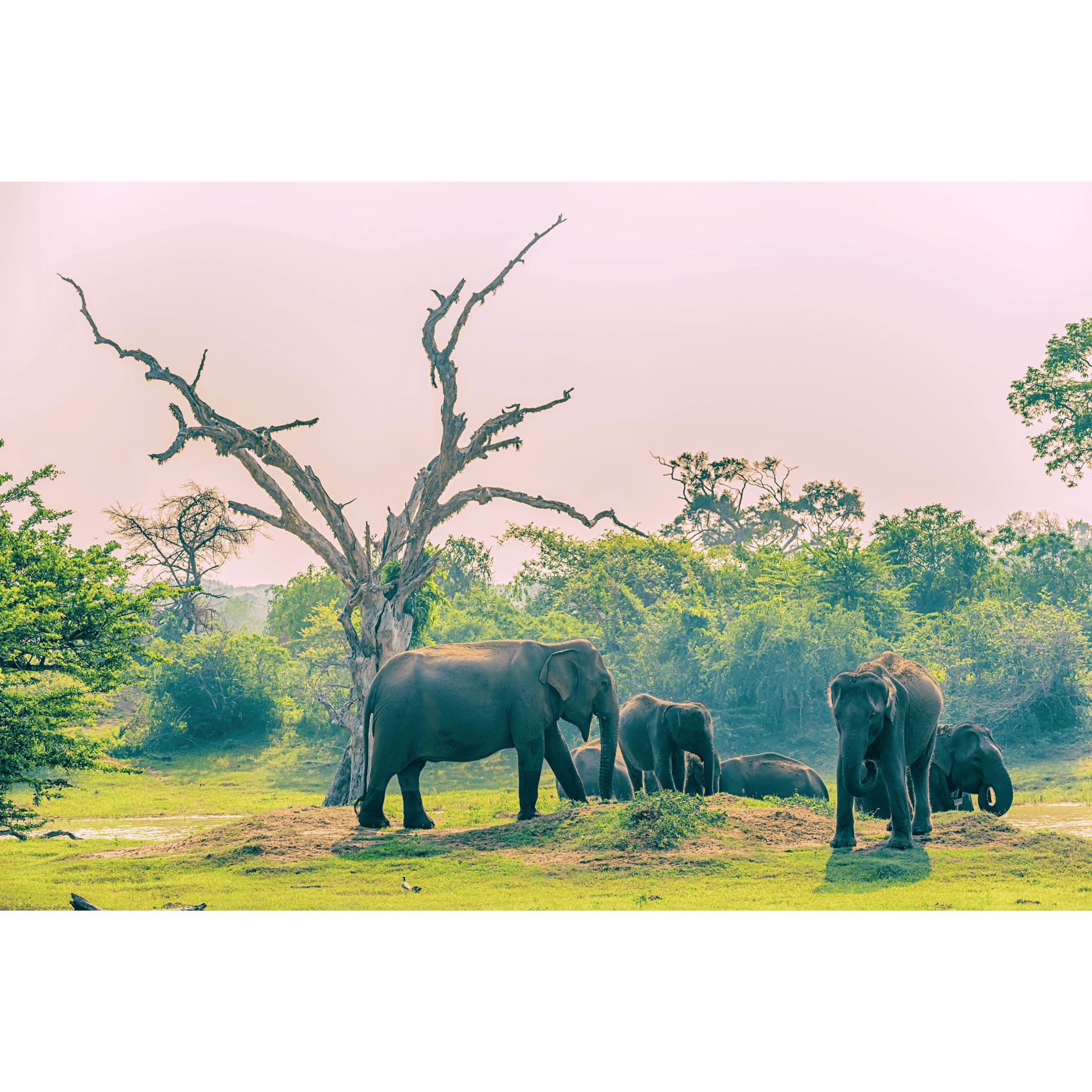
Introduction to Udawalawe National Park
Udawalawe National Park is located in the southern region of Sri Lanka, specifically in the Uva Province, approximately 165 kilometers east of Colombo. Established as a national park in 1972, the area initially served as a catchment for the Udawalawe Reservoir, indicating its ecological importance. The park spans an area of about 30,821 hectares, making it one of the key wildlife sanctuaries in the country. The significance of Udawalawe National Park lies not just in its size but also in its diverse ecosystems, which provide habitats for a wide variety of flora and fauna.
The park is characterized by a unique combination of open plains, dense forests, and wetlands. This variety creates an ideal environment for numerous species, making it a prominent biodiversity hotspot. The open grasslands are particularly well-known for their elephant populations, while the riverine vegetation serves as a habitat for various birds and reptiles. The wetlands attract numerous migratory birds, enriching the park’s ecological tapestry. These diverse habitats contribute to the park's role as a crucial ecological corridor, ensuring the survival of many species in the region.
Udawalawe National Park is particularly renowned for its sizeable herds of Asian elephants, attracting nature enthusiasts and photographers from around the world. Visitors can also expect to encounter a range of other wildlife, including leopards, spotted deer, and wild boars, making each safari a unique experience. The park’s well-maintained roads and clear visibility allows for excellent opportunities to observe animals in their natural habitats, enhancing the overall wildlife experience. Udawalawe serves as a prime example of conservation efforts to protect and preserve Sri Lanka's rich biodiversity, ensuring that future generations can enjoy this wildlife haven.
Encountering Elephants and Other Wildlife
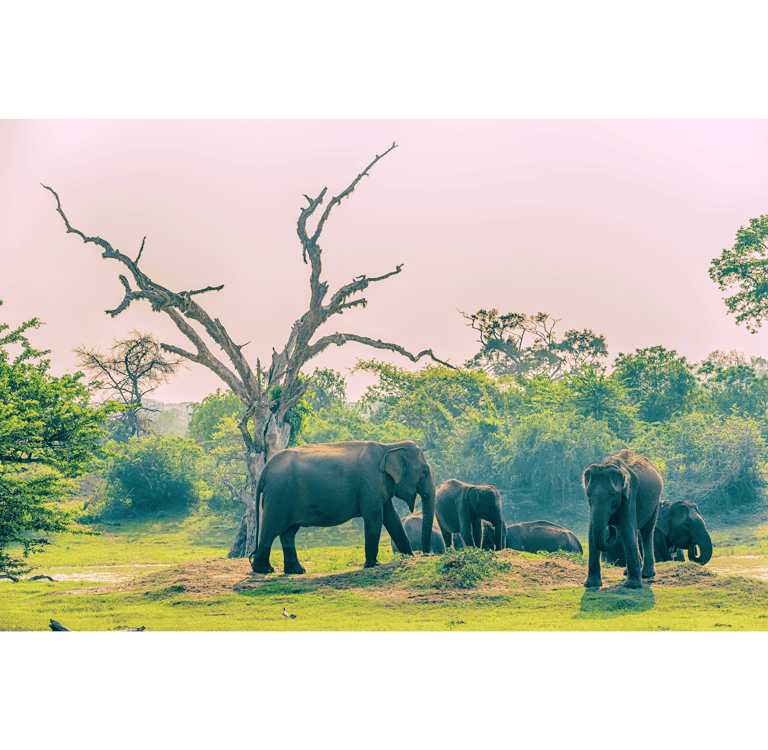
Udawalawe National Park is renowned for its remarkable population of elephants, which stand as the park's most famous residents. The park is home to approximately 600 elephants, making it one of the best places in Sri Lanka to observe these magnificent creatures in their natural habitat. Elephants in Udawalawe exhibit complex social structures, often living in matriarchal groups that include related females and their offspring. These groups are known for their strong familial bonds and intricate communication methods, which consists of trumpets, rumbles, and body language messaging that conveys various meanings, from alerts to social interactions.
In addition to the stunning elephant encounters, Udawalawe serves as a sanctuary for an array of other wildlife species. Visitors may witness the park's diverse ecosystem, which includes species such as Sri Lankan crocodiles basking near the water's edge, various deer species like the spotted deer, and numerous mammals such as leopards, wild boars, and the elusive sloth bear. The rich flora of Udawalawe provides an ideal habitat for a multitude of birds, attracting enthusiasts to spot over 200 species, including the vibrant peacock and various raptors soaring overhead.
This combination of large herbivores and diverse wildlife underlines the significance of Udawalawe as a biodiverse ecosystem. The park's landscape, characterized by open grasslands, scrub forests, and wetlands, supports a flourishing network of species that contribute to the unique environmental tapestry. Wildlife encounters at Udawalawe not only deliver memorable viewing experiences but also foster a deeper appreciation for the conservation efforts necessary to protect these species and their habitat, ensuring the ecosystem remains vibrant and accessible for future generations.
Birdwatching Paradise
Udawalawe National Park is renowned for its impressive biodiversity, particularly among its avian inhabitants. Birdwatchers visiting this wildlife haven can anticipate dramatic encounters with a wide variety of bird species, characterized by vibrant plumage and unique behaviors. The park serves as an essential habitat for both resident and migratory birds, making it a favored destination for ornithologists and nature enthusiasts alike.
Throughout the park, visitors are likely to observe a plethora of aquatic birds, including the majestic stork and various heron species that thrive near water sources. The park's expansive reservoirs and lush wetlands attract these birds, offering ample feeding and nesting opportunities. Notable sightings may include the Sri Lanka Grey Hornbill and the Painted Stork, both of which contribute to the rich tapestry of Udawalawe’s avifauna. Additionally, the park is a critical stopover for migratory birds journeying along their seasonal routes, further enhancing its appeal for birdwatching.
The ideal times for birdwatching in Udawalawe typically span the early mornings and late afternoons when birds are most active, and the temperatures are relatively mild. During these periods, the chorus of bird calls fills the air, creating an enchanting atmosphere. Visitors often report the thrill of spotting rare birds as they explore the diverse habitats within the park. Moreover, the dry season between May and October is particularly advantageous for experiencing the rich birdlife, as it leads to a concentration of species near water sources, making detections easier for avid birdwatchers.
In creating a fulfilling birdwatching experience, transporting a quality pair of binoculars and a field guide can enhance the adventure significantly. Overall, Udawalawe National Park stands out as a premier birdwatching destination, offering unique opportunities to discover and appreciate the captivating world of birds.
Tips for Visiting Udawalawe National Park
When planning a trip to Udawalawe National Park, it's essential to consider various factors to enhance your experience while promoting conservation efforts. First and foremost, visitors should be aware of the entry fees. As of 2023, the fee for adults is approximately $15, while children can enter for around $5. It is advisable to check for any updates on fees prior to your visit to ensure you have accurate information.
The best time to visit Udawalawe National Park is typically between May and September, as these months guarantee optimal wildlife sightings due to reduced vegetation and the animals congregating around water sources. Early mornings and late afternoons are particularly favorable times for wildlife observation when animals are most active. Planning your safari during these periods enhances the likelihood of witnessing a diverse range of wildlife, including the park's famous elephants.
There are several reputable safari tour operators in the area that offer guided experiences, ensuring not only a thrilling adventure but also knowledgeable insights into the unique ecosystem. It is recommended to choose a package that includes both a jeep safari and a visit to the Udawalawe Elephant Transit Home. This allows you to engage with conservation efforts firsthand while enjoying the diverse wildlife.
Regarding accommodation, a variety of options are available, ranging from eco-lodges to budget-friendly guesthouses, each offering an opportunity to stay close to the park. Selecting a property that emphasizes eco-friendly practices is ideal, as it contributes positively to conservation efforts. Additionally, always maintain a respectful distance from the wildlife while observing their natural behaviors. Adhering to these responsible wildlife watching practices will enhance your visit while safeguarding the majestic fauna and flora within Udawalawe National Park.
Explore
Discover Sri Lanka's beauty with our tours.
Connect
Support
hello@travelwithbuddy.com
(+94) 75 936 24 14
© Travel With Buddy 2025. All rights reserved.